
- 02
- Oct
- 2026
Coin Photography
Numismatic Photography is a specialized branch of macro-photography, rooted in absolute realism, with the objective to document the true details of a coin without exaggeration.
Aperture, shutter speed, lighting, and focus all need to come together to take a decent picture. Technique, patience, and artistry are needed to take a great picture. I can only dream of becoming an artist, but hope at least to take decent photographs.
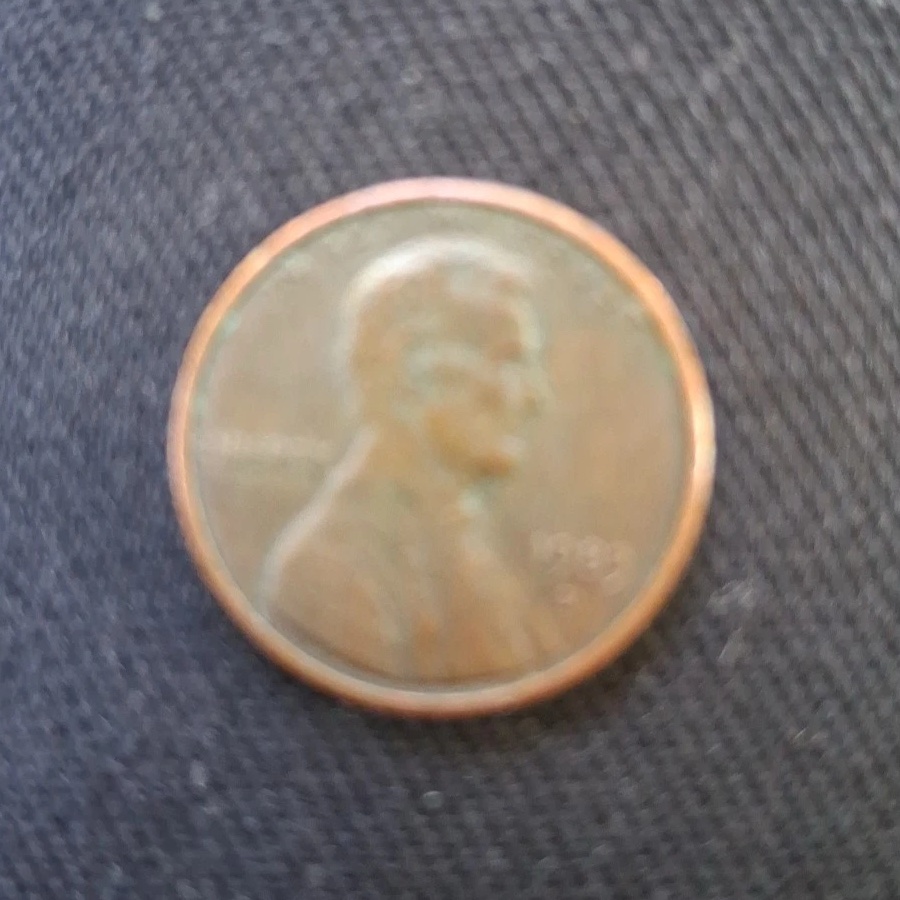
Coin photography is integral to coin collecting. For example, take this listing on eBay that I saw. How can I decide whether to buy this Lincoln Cent based on this single image? [queue the sarcasm] Is it the coin what it is purported to be? I cannot confirm the “P” mint mark, which would be a significant numismatic find. Is the coin of the stated quality and color?
In addition to buying and selling coins online, coin photography can be used to track inventory for insurance purposes, create virtual albums, exchange in online forums, and, for the more self-absorbed, to post in an online blog. In this post, I list the tools I have gathered to photograph coins for all these purposes.
I believe I have a workable setup for taking decent pictures, but I am still working on my technique, patience, and artistry. Developing adequate lighting skills has proven to be the most difficult, as evidenced in the images below.
The Camera – pennywise and pound-foolish.
Modern smartphones, all of which have auto modes, autofocus, and digital zoom, can take great photographs, and most readers can simply stop here. The photographs immediately below were taken with an iPhone Air using autofocus. Ironically, when I finally upgraded my iPhone 8 because it was no longer supported, I looked at the various iPhone models. Because I rarely used the camera on my iPhone 8, the camera features didn’t factor into my decision. Weeks later, I took up coin collecting, and those camera features became more important. All but the model I chose had built-in macro photography capabilities and should be able to take closer, higher-quality photographs. For the adventurous, iPhone apps support manual control of aperture, shutter speed, and focus, none of which I have evaluated.
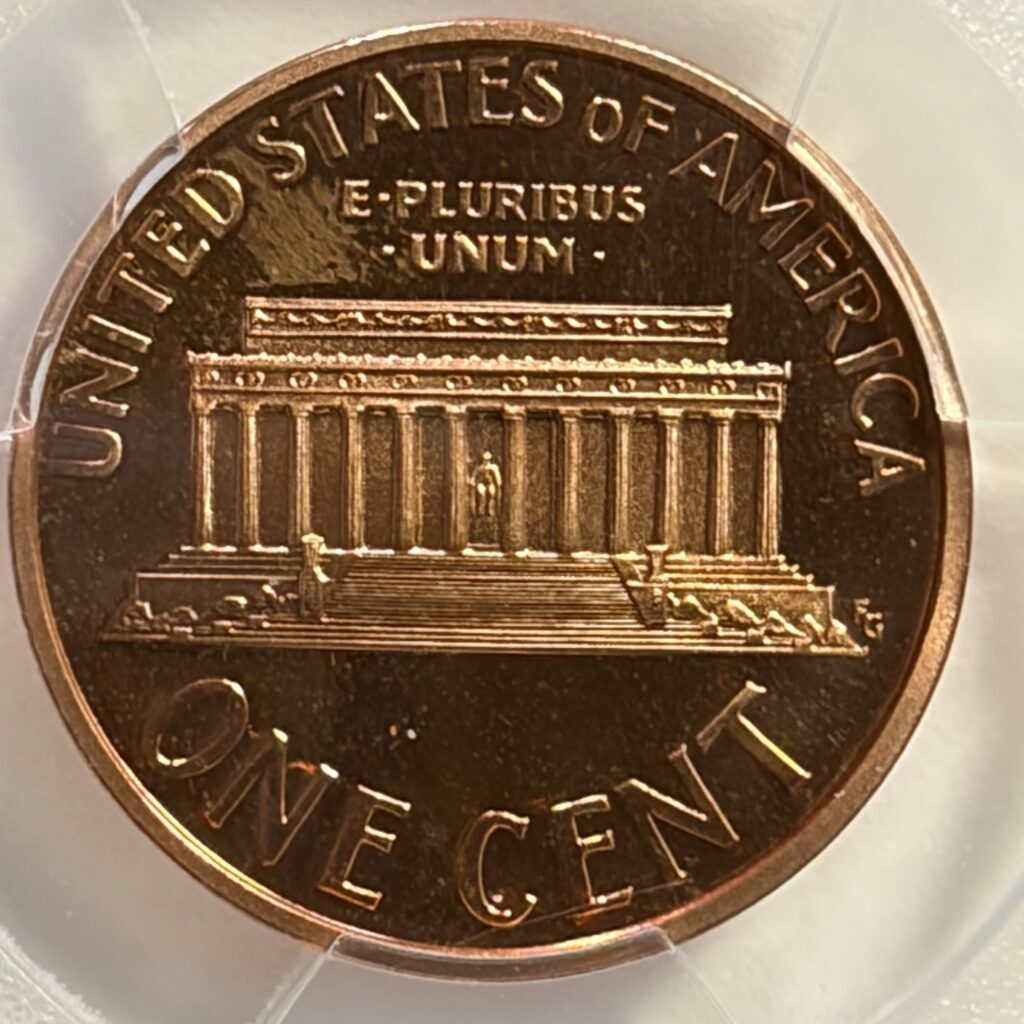
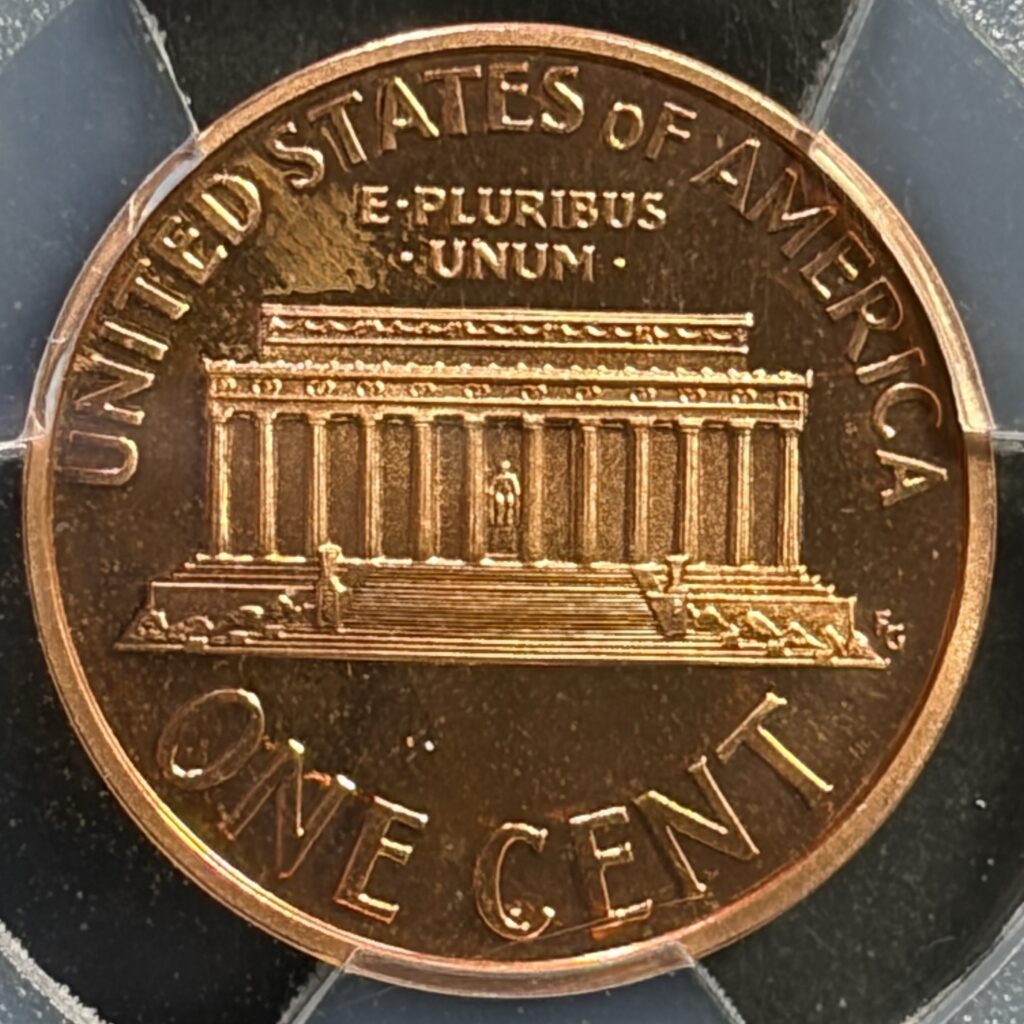
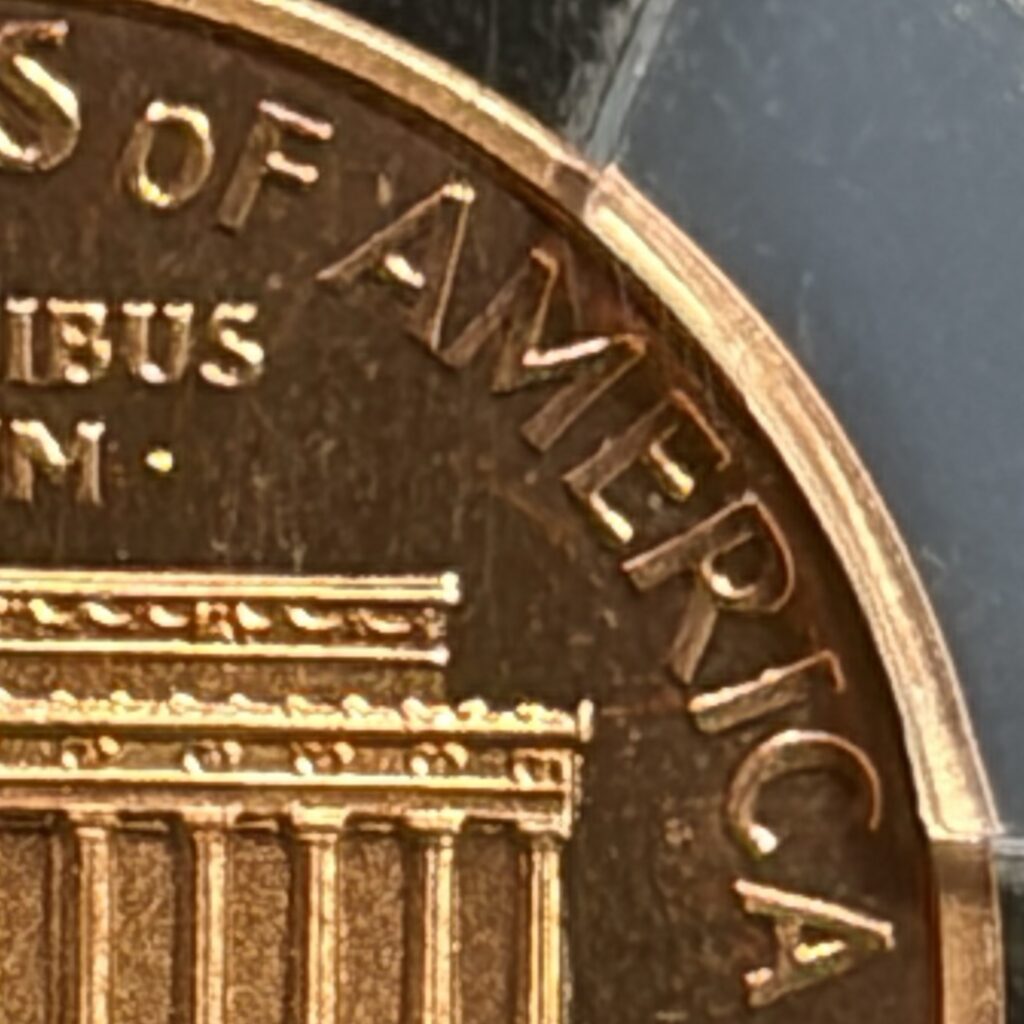
In comparison, the next photographs were taken with a Canon R50 mirrorless digital camera, with manual adjustments to aperture, shutter speed, and focus. Again, still having difficulty with lighting and combination of settings.
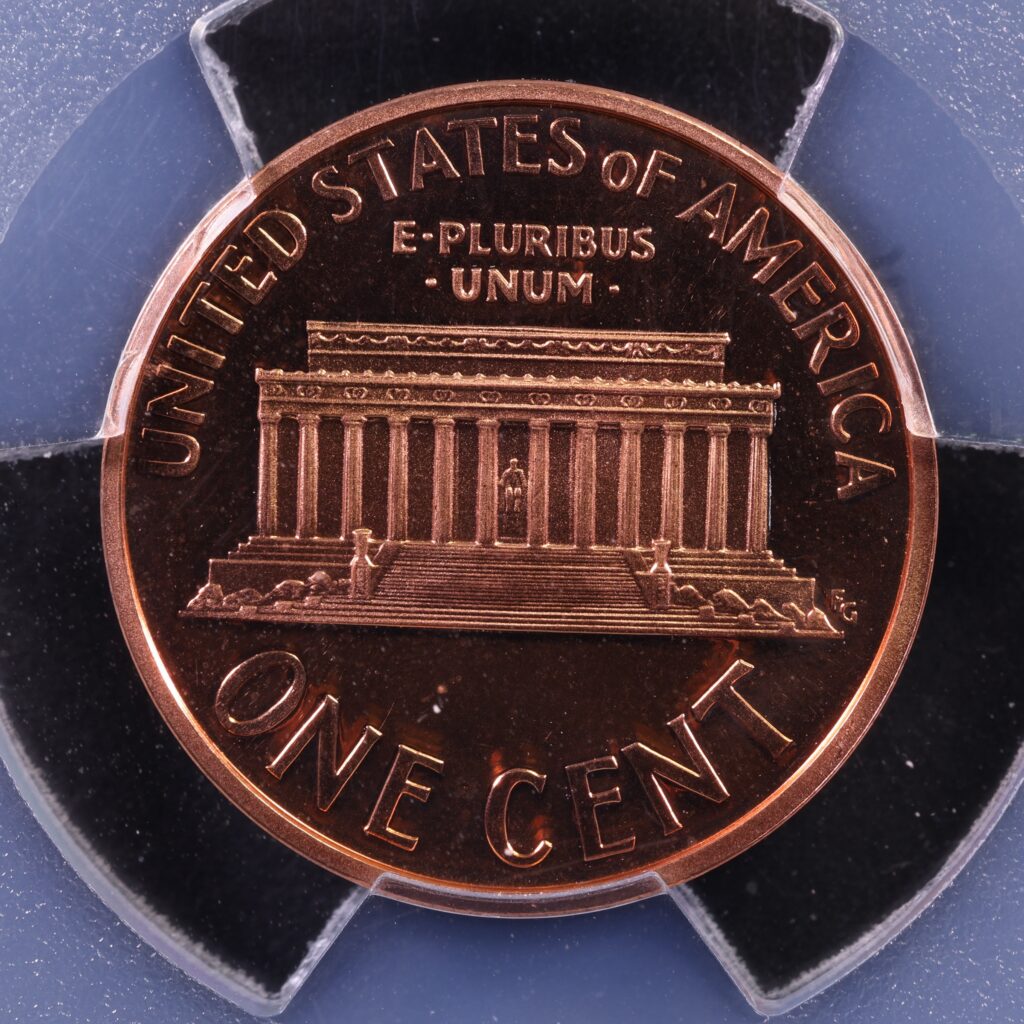
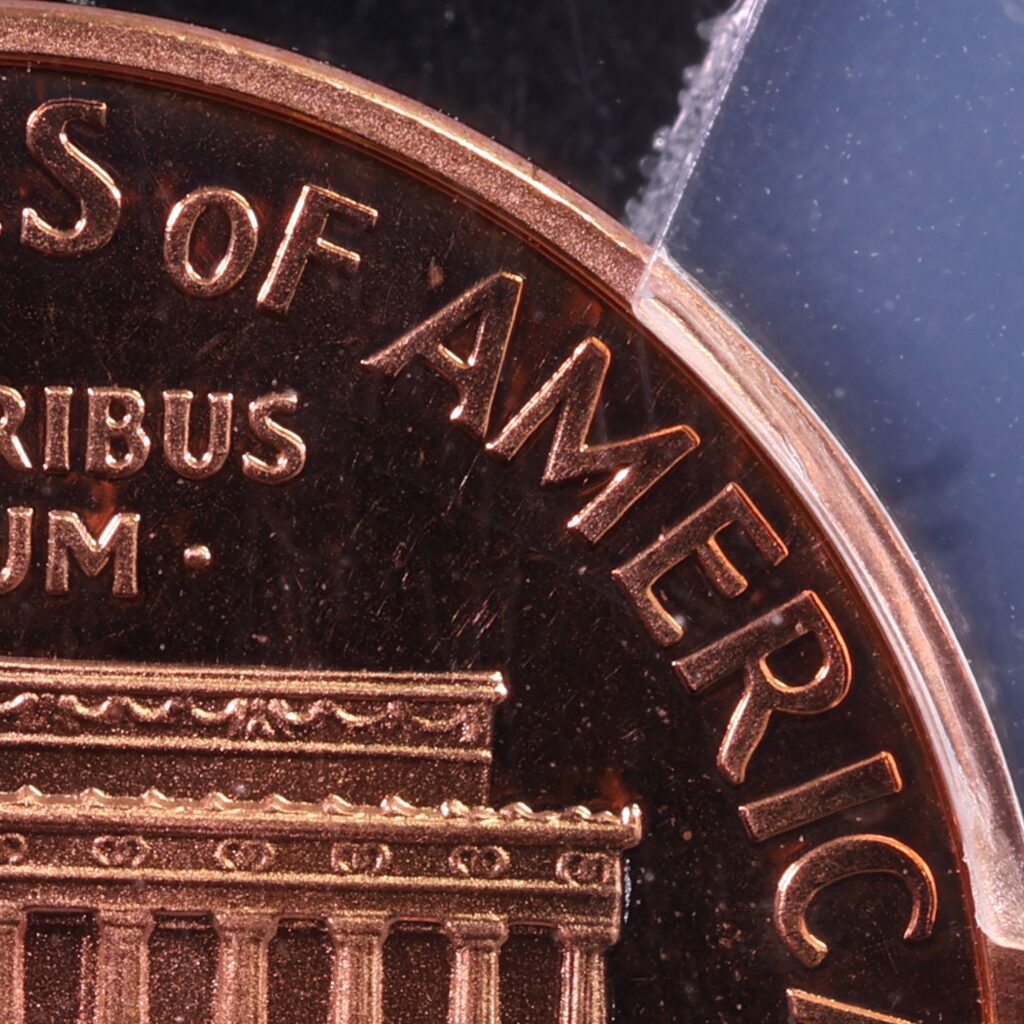
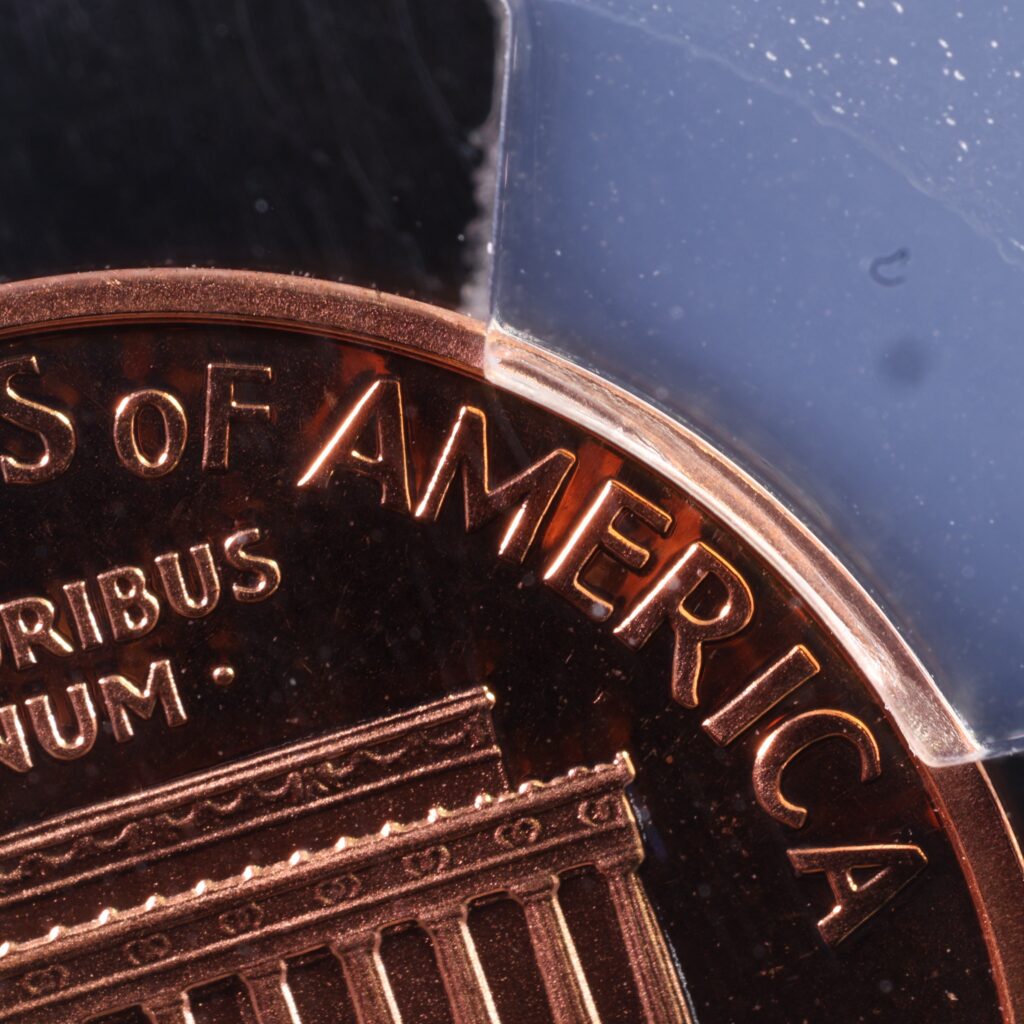
Most modern digital cameras have removed live view and shooting features, allowing the camera to connect to and be controlled by a computer or tablet, which simplifies and streamlines the process. The images are transferred directly to the computer. This capability is also useful for viewing a coin up close without a microscope. On the iPhone, I haven’t yet achieved a comparable capability with Continuity Camera. I can set up the viewing, but only at lower resolutions.
The USB-C hardwired interface with the camera transfers images much faster than its built-in Wi-Fi adapter. Two important items, though. Use a high-speed data cable, preferably one made for tethering cameras – standard charging cables support lower data rates and are not likely to be supported by the camera. Second, make sure the computer configures the connection at those higher rates.
Equipment
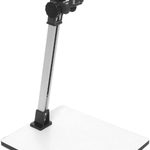
Copy Stand. I use a copy stand with a quick-release plate to mount the Canon R50. I use lighting mounts, clamps, and LED camera lights, with cloth diffusers over the lights. I also attached a magnetic iPhone mount to the lighting mounts for when I want to use the iPhone camera. I tend to use the iPhone to photograph the coin slabs and the Canon R50 to photograph the coins themselves.
Lab Scissor Jack Stand. Macro lenses are “prime” lenses with a fixed focal length and do not zoom. The camera must be moved closer to or farther from the subject to control the size of the image. A scissor jack stand with an adjustable height of approximately 3″ to 12″ allows the coin to be moved closer to or farther from the camera without adjusting the camera mount.
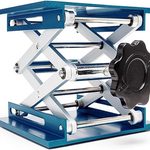
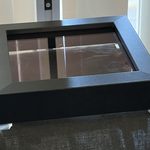
Modified Picture Frames. On top of the jack stand, I place a wide picture frame or medal display case with its glass pane replaced with museum-grade anti-glare glass. This is a new addition for un-encapsulated coins – raising the coin 1″-2″ above the background should reduce edge shadowing and keep the background out of focus. For backgrounds, I use black and bright white 4-ply museum boards as well as linen napkins for softer backgrounds for special-purpose images.
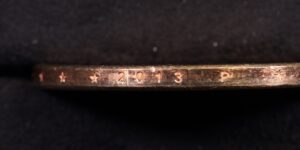
Velvet Ring Tray. Thanks to Presidential and Native American Dollars, each with edge lettering, I use a ring tray to photograph the edges of unencapsulated coins, such as this 2013-P McKinley Presidential Dollar.
References
https://coinweek.com/numismatic-art-adding-an-appreciation-for-the-art-of-a-coin